Six modules / Six weeks

The training

Everything you need to handle a blackout, a winter emergency and the first 72 hours, taught hands on by people who have done it for real.

Thirteen things
worth knowing.

Skills your grandparents took for granted, and a few they never needed. Every one is hands on, outside where possible, and taught by people who do it for real.

Learn toHuntEthical, legal hunting in Manitoba: scouting, tracking, shot placement and field dressing. The Canadian Firearms Safety Course (PAL course) is included. Learn toFishOpen water and ice. Reading a lake, rigging, safe ice, cleaning your catch and cooking it on the spot. Learn toFixThe things that fail when you need them: generators, furnaces, frozen pipes, small engines and the basic tools that fix most of it. Learn toSowSeed starting indoors, soil building, and what actually grows in a short Prairie season. Save your own seed for next year. Learn toGrowRaised beds, cold frames and simple greenhouses. Plan a garden that puts real food on the table, not just salad. Learn toHarvestWhen to pick, how to store, and how to break down game and fish so nothing goes to waste. Learn toPreserveWater bath and pressure canning, smoking, curing, drying and root-cellar storage. Fill a pantry that lasts the winter. Learn toHideCamouflage, concealment and low-profile living. Blend into the bush for wildlife and hunting, and keep your home and supplies out of sight. Learn toDefendPractical self-defence, de-escalation and home security. The goal is always the same: avoid the fight and get everyone home. Learn toEvadeMove quietly, read terrain, pick routes and get out of trouble before it finds you. Evacuation routes and fallback plans for your household. Learn toSenseTracking, weather signs and situational awareness. Notice what's changed, on the trail and on your street. Learn toProtectAdvanced first aid, cold injuries and keeping people calm. Look after your family, your neighbours and your crew. Learn toWinPut it all together in week six: the final field exercise, a simulated winter outage your crew runs from the moment the lights go out.

The six modules

One module a week, each building on the last. Every module mixes classroom instruction with hands-on practice, and most of it happens outside in real Manitoba winter.

01

The First 72 Hours

The first three days decide how the rest goes. You learn what fails first when the grid drops, how to size up the risks in front of you, and how to put your household's needs in the right order.

Leave with: a written 72-hour plan for your household

What you will learn

  • What fails first: heat, water, phones, payment, fuel
  • Risk assessment and triage of immediate needs
  • Building your household 72-hour plan
  • Staying informed without power or cell service
  • When to stay put and when to leave
02

Winter Survival & Navigation

Manitoba winter is the real threat in a long outage. You learn to keep a body warm and dry, build shelter and fire in snow, and find your way when GPS is gone.

Leave with: shelter, fire and navigation done outdoors, in winter

What you will learn

  • Layering systems and staying dry at minus 30
  • Recognizing and preventing hypothermia and frostbite
  • Emergency shelter and fire in snow
  • Keeping a home habitable without central heat
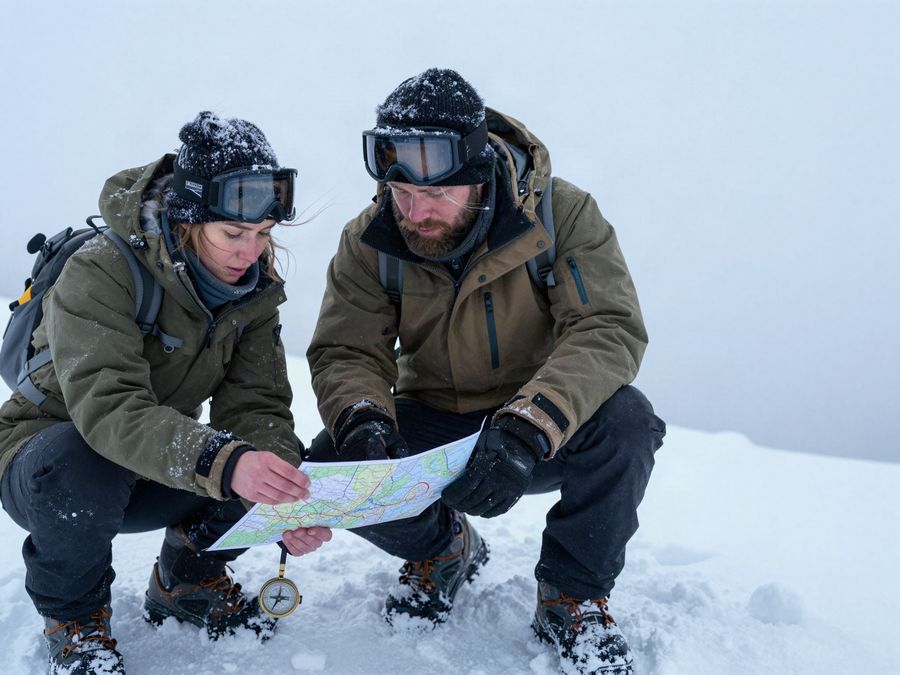
  • Map and compass navigation in Canadian terrain
03

Hunting, Fishing & Firearms Safety

Food security, field craft and the firearms training Canada requires. This module includes the Canadian Firearms Safety Course (CFSC), the course you must pass before applying for your Possession and Acquisition Licence (PAL).

Leave with: the CFSC, ready to apply for your PAL

What you will learn

  • Canadian Firearms Safety Course (CFSC) included
  • Restricted (RPAL) course available as an add-on
  • Safe handling, storage and transport of firearms
  • Ethical hunting and Canadian hunting regulations
  • Tracking, field craft and field dressing
  • Open-water and ice fishing
  • Your next steps: PAL application and Manitoba Hunter Education
04

Advanced First Aid & Crisis Response

When help isn't coming, you are the help. You learn to manage serious injuries and cold-weather emergencies, and to keep yourself and others thinking clearly under stress.

Leave with: hands-on practice on realistic scenarios

What you will learn

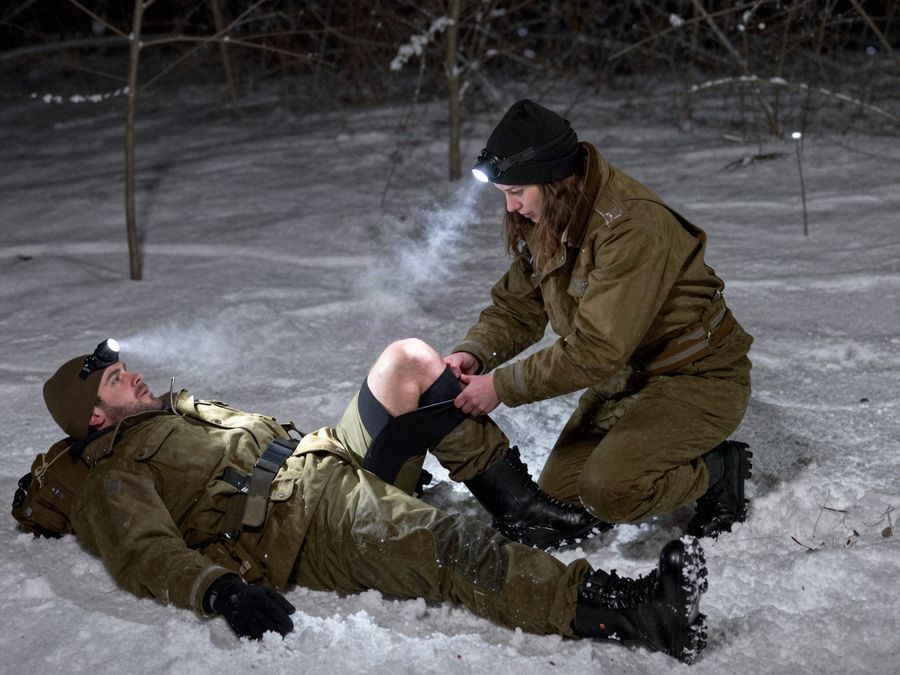
  • Bleeding control, wounds and fractures
  • Cold injuries and environmental emergencies
  • Assessing and monitoring a patient over time
  • How stress affects decisions, and how to manage it
  • Keeping a group calm and coordinated
05

Food, Fuel & Repairs

Feed yourself, heat your home and keep things running. You learn to grow and preserve food, plan supplies, run backup heat and power safely, and diagnose the generators, small engines and equipment you rely on.

Leave with: a household plan for food, heat, power and repairs

What you will learn

  • Growing, harvesting and preserving food
  • Water storage and treatment
  • Backup heat and safe fuel storage
  • Solar and off-grid power basics
  • Generator, small engine and equipment repair
06

The Final Field Exercise

Everything comes together. You learn to read and cool down tense situations and plan an evacuation, then your crew runs the final field exercise: a simulated winter outage where you assess what's failing, care for an injured teammate, and decide whether to stay put or relocate as conditions change.

Leave with: a tested plan and the final field exercise behind you

What you will learn

  • De-escalation and conflict avoidance
  • Evacuation routes, meeting points and go-bags
  • Communication plans for family and neighbours
  • Group roles and decision-making
  • The final field exercise, run by your crew
///Physical training is mandatory every week.///

Built for real people

No experience needed

Every skill is taught from the ground up. If you have never built a fire or held a compass, you are exactly who this is for.

Fitness for everyone

Conditioning runs through all six weeks and is scaled to where you start. The goal is being able to carry, walk and work in the cold.

Hands on, not slides

You practice every skill yourself, in the conditions you would actually face, with instructors correcting you on the spot.

Firearms courses

Your PAL, included.
Your RPAL, if you want it.

The Canadian Firearms Safety Course is part of the six weeks. If you only need the course, or you want to go further, take them on their own.

IncludedCanadian Firearms Safety Course

PAL course / Week 3

Part of every six-week program. Safe handling, storage, transport and the law, taught by a certified instructor. Pass the course and you're ready to apply for your Possession and Acquisition Licence (PAL).

Add-onCanadian Restricted Firearms Safety Course

RPAL course / Upgrade

Add the restricted course to your six weeks, or take it after you graduate. You need both courses to apply for a Restricted Possession and Acquisition Licence (RPAL).

One-offJust the course

PAL or RPAL / No program required

Only need your licence course? Book the PAL course, the RPAL course or both as a standalone, without the six-week program.

Licences are issued by the RCMP Canadian Firearms Program after you apply. The courses get you ready to apply; the application and approval are a separate process.

Graduates only / One-day events

The Workshop Series.

Finish the six weeks and you unlock a year of one-day graduate workshops. Small groups, hands on, graduates only.

Graduates only / The big one

Day Zero.

No pack. No phone. No map. No idea where you are.

You're dropped in the bush with the clothes on your back and nothing else. By dark you need water, fire and a shelter you can sleep in. By morning you need to know where you are and how to get out. It's the hardest day we run, it's fully supervised, and everyone who finishes it says the same thing: "I didn't know I could do that."

  • 01Stay calm, stop, and think
  • 02Water, shelter and fire from what's around you
  • 03Signal and be found
  • 04Read the land and walk yourself out
One dayGo-Bag Day

Build the bag you'd grab in five minutes: water, warmth, first aid, light, documents and cash. Pack it to carry, test it on a walk, and learn to stay covert: neutral gear, no tactical look, nothing that says "I've got supplies."

One daySolar & Off-Grid Power

How panels, charge controllers, batteries and inverters fit together. Size a system for a cabin or a home backup, then wire a working one.

One dayMake Your Own Fuel

The concepts behind fuel you can make or source yourself: seasoned firewood, charcoal, wood gas, biodiesel and alcohol fuel, plus what's legal, what's safe and what's worth it.

One dayMechanics Essentials 101

Expert mechanics teach the essentials: how a vehicle actually works, the maintenance that keeps it running, boosting and reviving a dead one, and the roadside fixes that get you home with what's in the trunk.

One dayWater Anywhere

Find it, collect it, filter it, treat it and store enough for a household. Rain catchment, snow melt and well basics.

One dayGenerator & Engine Rescue

Bring a dead generator, snowblower or chainsaw back to life. Carburetors, plugs, fuel and the winter storage that prevents it next time.

One dayButcher & Smokehouse

Break down a deer, build a simple smoker and put up a winter's worth of meat, jerky and sausage.

One dayRadio Night

Stay in touch when the crew network is down: radio basics, licensing and setting up a family and neighbourhood comms plan.

One dayForage & Wild Food

What's safe to eat in a Manitoba forest and field, what isn't, and how to cook what you gather.

One dayHome Hardening

Heat, light and security for your house in a long outage: backup heat, safe fuel storage, window and door basics.

One dayKnots, Tarps & Shelter

Ten knots that do everything, tarp shelters in any weather and a bushcraft sleep-out to finish.

One dayBlade & Axe

Choose, sharpen and use knives, axes and saws safely. Split, carve and process firewood like it's nothing.

One dayBees, Birds & Backyard Food

Backyard hens, bees and small-space food production, and the city rules that apply.
Train with veterans and first responders.

Your instructors have worked the real emergencies. They teach what holds up in the cold, in the dark and under pressure.

Instructor pointing at a topographic map on a snowy log
Navigation in a whiteout
A trainee tightening a tourniquet on a teammate by headlamp
First aid by headlamp

We will only email you about GRID DOWN. Unsubscribe anytime.

You’re on the list.

Watch your inbox. Dates, the full schedule and first access to registration come to you before anyone else.